Description
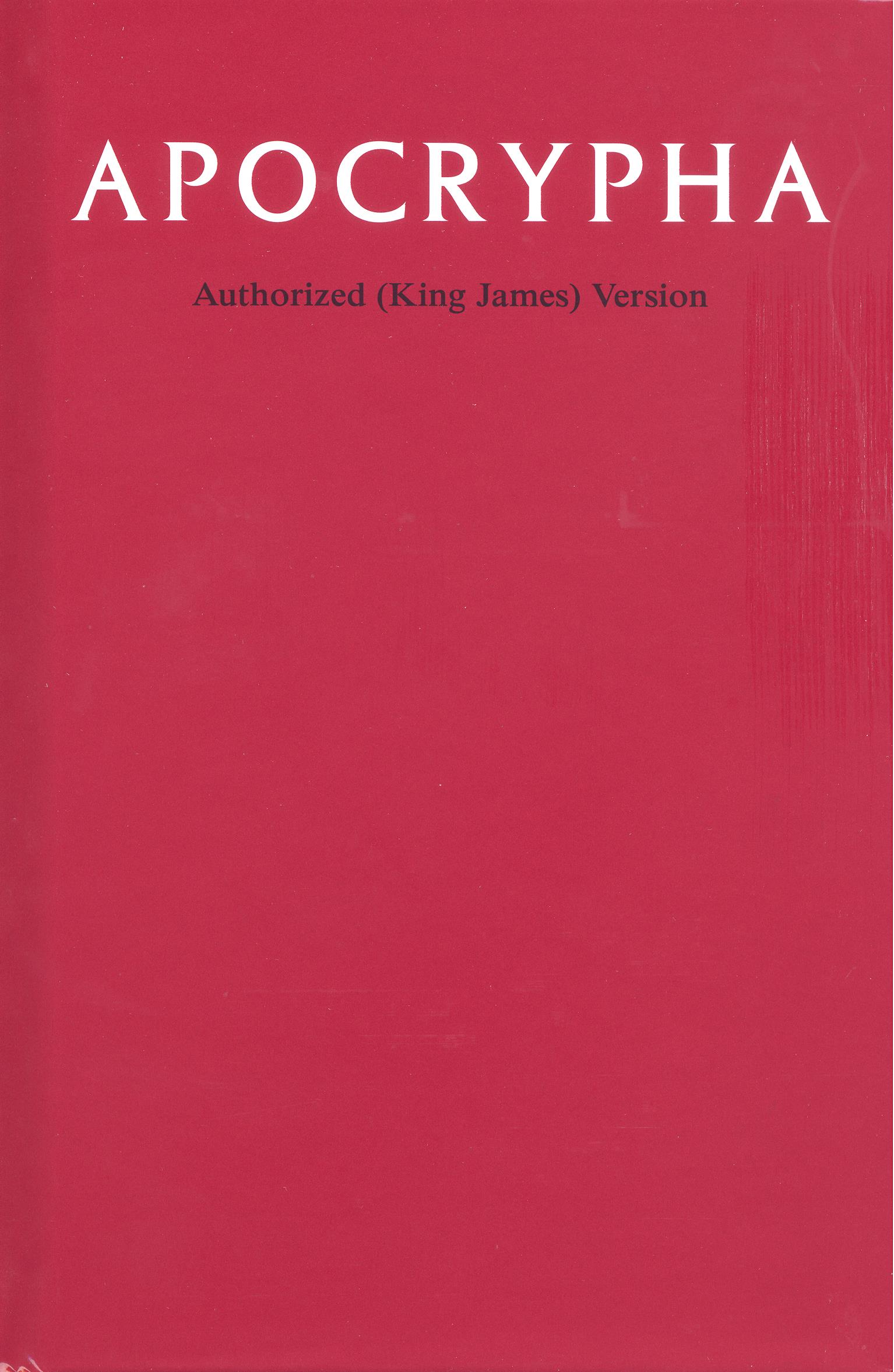
King James Version. Hardcover.

King James Version. Hardcover.
| Weight | 0.00000000 lbs |
|---|---|
| Dimensions | 0.00000000 × 0.00000000 × 0.00000000 in |
| Level | |
| Publisher |
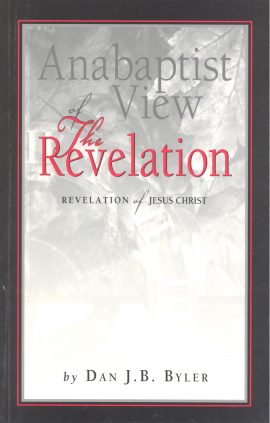
In this book, Byler gives us a brief overview of the book of Revelation and what he believes is the historic Anabaptist understanding of the book. Though not exhaustive, he gives a chapter-by-chapter introduction and tries to help the reader to understand what the symbolism could represent. 64 pages; paper.
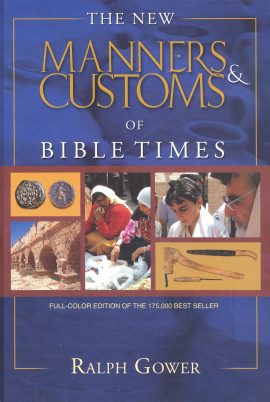
An updated and improved edition of Manners and Customs of Bible Times. Includes many full-color illustrations and photographs, clearly depicting biblical life and culture. Each chapter concludes with a “Now look at your Bible” section, which applies the presented material to applicable Scripture passages. 352 pages; hardcover.
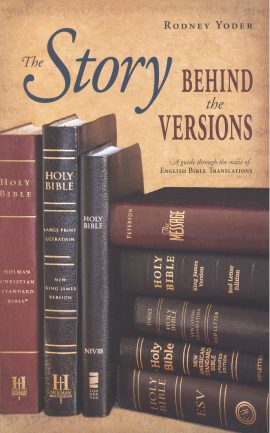
This book tells how the Scriptures have been preserved and lays out the principles and philosophy of translation. Then, it explores the history and trustworthiness of modern versions and gives guidance for making wise decisions about Bible translations. 203 pages; paperback.
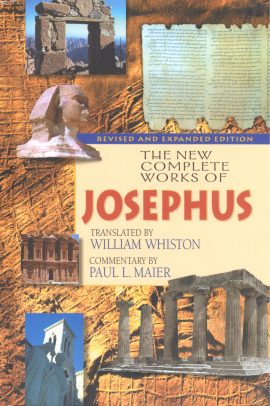
Flavius Josephus, translated by William Whiston. This classic work will make you a part of the momentous events of Jewish history from creation to the time of Titus, who destroyed Jerusalem during the first century AD. Men through the ages have looked to this work as the only contemporary reference in history containing valid references to Christ. 778 pages; hardcover.
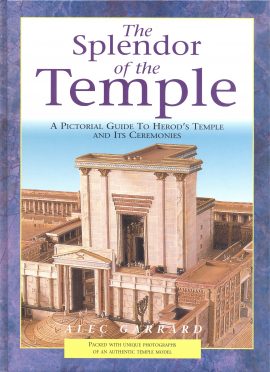
This book is a study of Herod’s Temple, which was a reconstruction of Solomon’s earlier work. This full-color book is filled with beautiful photographs of a scale model of Herod’s temple. Those interested in Bible history will find this book interesting and helpful. 96 pages; hardcover.