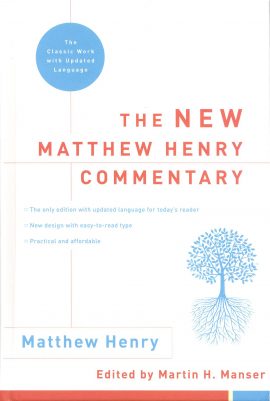
A classic devotional commentary, abridged to retain the essential writings of Matthew Henry. Updated in 2010, this edition preserves the author’s original meaning while using contemporary English. 2278 pages; hardcover.
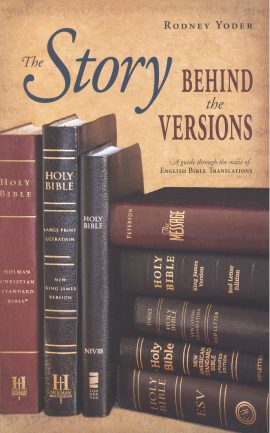
This book tells how the Scriptures have been preserved and lays out the principles and philosophy of translation. Then, it explores the history and trustworthiness of modern versions and gives guidance for making wise decisions about Bible translations. 203 pages; paperback.
A book for those who would like to understand the spiritual significance of the Old Testament tabernacle. The many details are explained clearly to show how God was using the tabernacle to symbolize His great plan through Jesus Christ. 169 pages; paper.
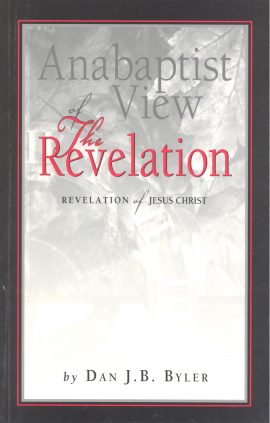
In this book, Byler gives us a brief overview of the book of Revelation and what he believes is the historic Anabaptist understanding of the book. Though not exhaustive, he gives a chapter-by-chapter introduction and tries to help the reader to understand what the symbolism could represent. 64 pages; paper.
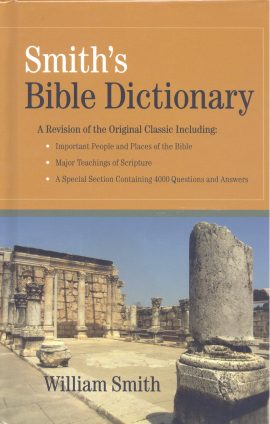
A Bible dictionary defining thousands of biblical words. People, places, customs, history, and geography of the Bible are described; contains other sections for Bible study. 912 pages; hardcover library binding.
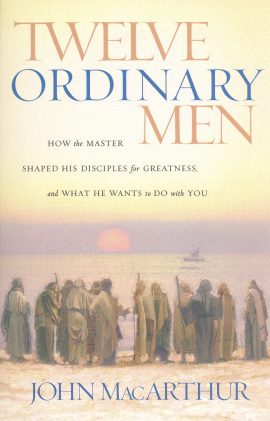
They were not scholars or religious sages, so why did Jesus select these twelve men? The group included common fishermen, a hated tax collector, and an impulsive political zealot. But they answered Jesus’s call and became the first leaders of the church. 201 pages; paper.
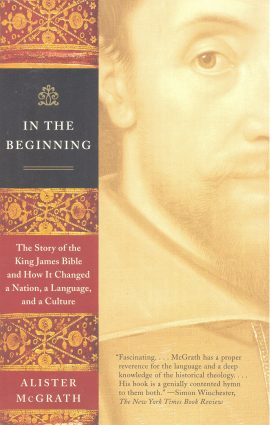
A fascinating and informative story of the translation of the King James Version of the Bible. This book is a valuable source of information about the Bible we use. 338 pages; paper.
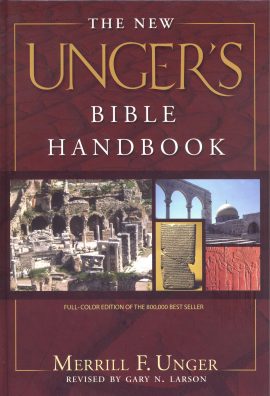
A new and revised edition with hundreds of color pictures added. Includes updated archaeological information, book-by-book commentary, outlines, charts, and drawings. 751 pages; hardcover.