Description
King James Version. Hardcover.

King James Version. Hardcover.
| Weight | 0.00000000 lbs |
|---|---|
| Dimensions | 0.00000000 × 0.00000000 × 0.00000000 in |
| Level | |
| Publisher |
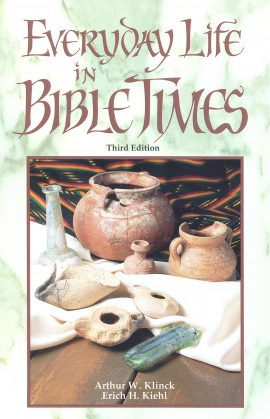
Have you ever wondered what life was like in the days of the Old and New Testaments? What were the predominant occupations and trades? What types of homes did the people of the Bible live in? What social customs prevailed? Readers will gain valuable insight and information into the society, culture, and everyday lives of people in Bible times. 172 pages; paper.
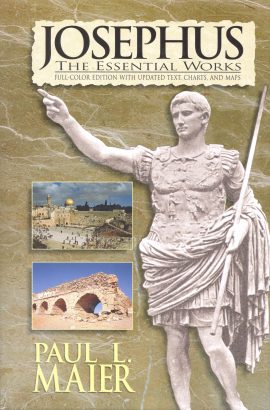
Translated and edited by Paul L. Maier. This volume contains the same text as Josephus: the Essential Writings, but is bound in hardcover and has quality paper, color photos, time lines, and other information in sidebars that makes the volume more readable and appealing. 416 pages; hardcover.
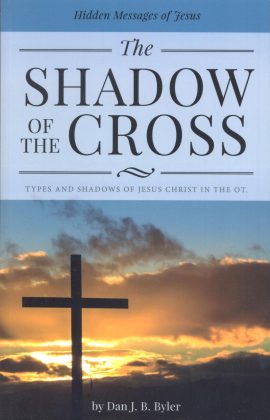
A book describing many of the types and shadows from the Old Testament which teach us about Christ and the New Testament. This book was written to show the marvelous design of the Bible and that only God could have been the author. Chapters discuss topics such as Bible numbers; the trees in the garden of Eden; Eve and the church; Noah and the ark; types in the lives of Jacob, Joseph, Moses, and Aaron; and much more. 206 pages; paper.
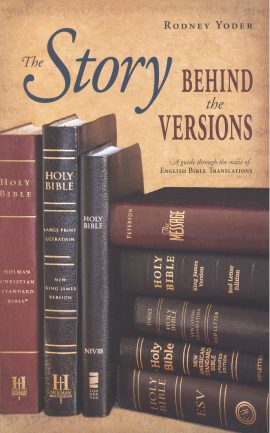
This book tells how the Scriptures have been preserved and lays out the principles and philosophy of translation. Then, it explores the history and trustworthiness of modern versions and gives guidance for making wise decisions about Bible translations. 203 pages; paperback.