Description
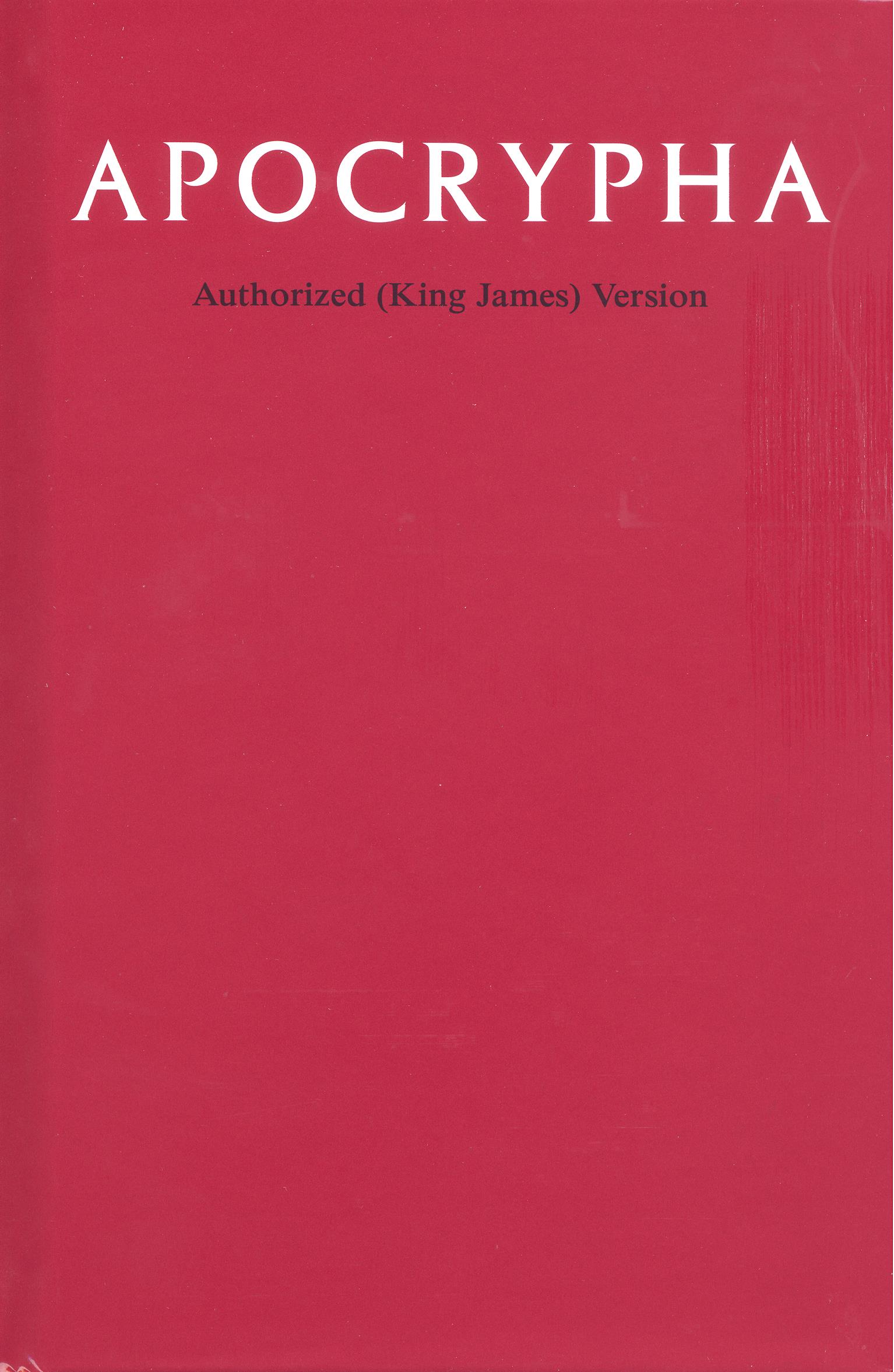
King James Version. Hardcover.
Additional information
| Weight | 0.00000000 lbs |
|---|---|
| Dimensions | 0.00000000 × 0.00000000 × 0.00000000 in |
| Level | |
| Publisher |
Related Products
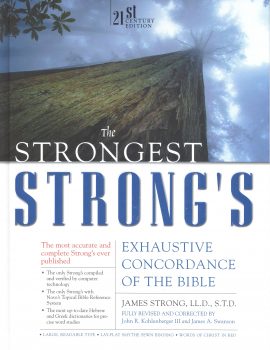
The Strongest Strong’s Exhaustive Concordance
Lists every word in the Bible alphabetically with the words of Christ in red. The most accurate and complete Strong’s ever published. The English words are linked by number to the Hebrew and Greek dictionaries included in this book. The Nave’s Topical Reference System is included as well. Hardcover.
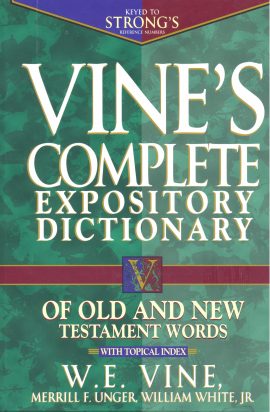
Vine’s Complete Expository Dictionary of Old and New Testament Words
A reference book for intensive word study of more than 6000 biblical words in their original Greek or Hebrew. The original language often included shades of meaning that may go unnoticed in the English translation of those words. This book includes reference numbers from the Strong’s concordance to further enhance its use. 1184 pages; hardcover.
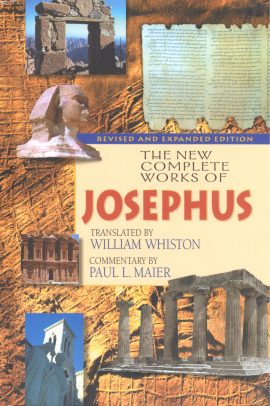
The New Complete Works of Josephus
Flavius Josephus, translated by William Whiston. This classic work will make you a part of the momentous events of Jewish history from creation to the time of Titus, who destroyed Jerusalem during the first century AD. Men through the ages have looked to this work as the only contemporary reference in history containing valid references to Christ. 778 pages; hardcover.