Questions? Call us at 620-345-2532

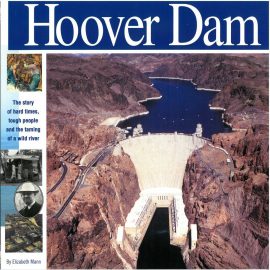
Hoover Dam
This is the story of taming the wild Colorado River and the construction of the mighty Hoover Dam. The years of planning, dangerous working conditions, and details of how the dam was built are all explained in interesting text and clear drawings and pictures. Ages 9-15; 44 pages plus a large fold-out; paperback. Proofreader’s note: Two instances of bad language in the “Voices” sections on pages 17 and 28; reference to “millions of years” on page 32.
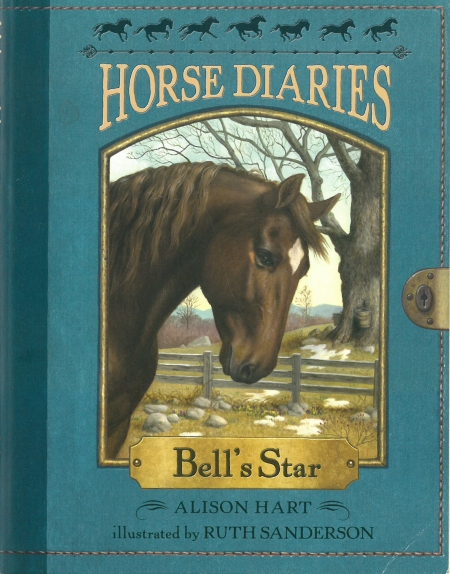
Horse Diaries: Bell’s Star
Bell’s Star is a strong Morgan colt who can work hard in the fields but loves to go for a run “wherever I want.” This story is told from the colt’s perspective. It gets exciting when he and his young mistress, Katie, rescue a runaway slave girl! What does it mean to be free? 114 pages; paperback.
Proofreaders’ note: The girl Katie tells a lie and some partial truths in chapters 4 & 5 to protect a runaway slave.
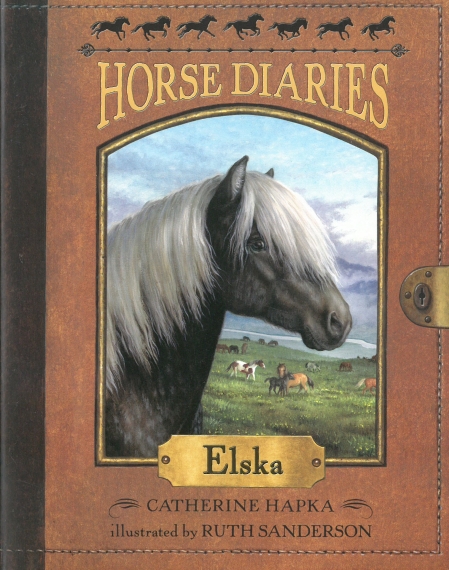
Horse Diaries: Elska
A silver dapple Icelandic filly, Elska spends summers frisking about the countryside and winters in the farmyard. The girl human Amma takes special care of her! But the powerful neighbor man notices this fine horse and wants her for himself! What will happen? Here is Elska’s story… written as if her own words! 113 pages; paperback.
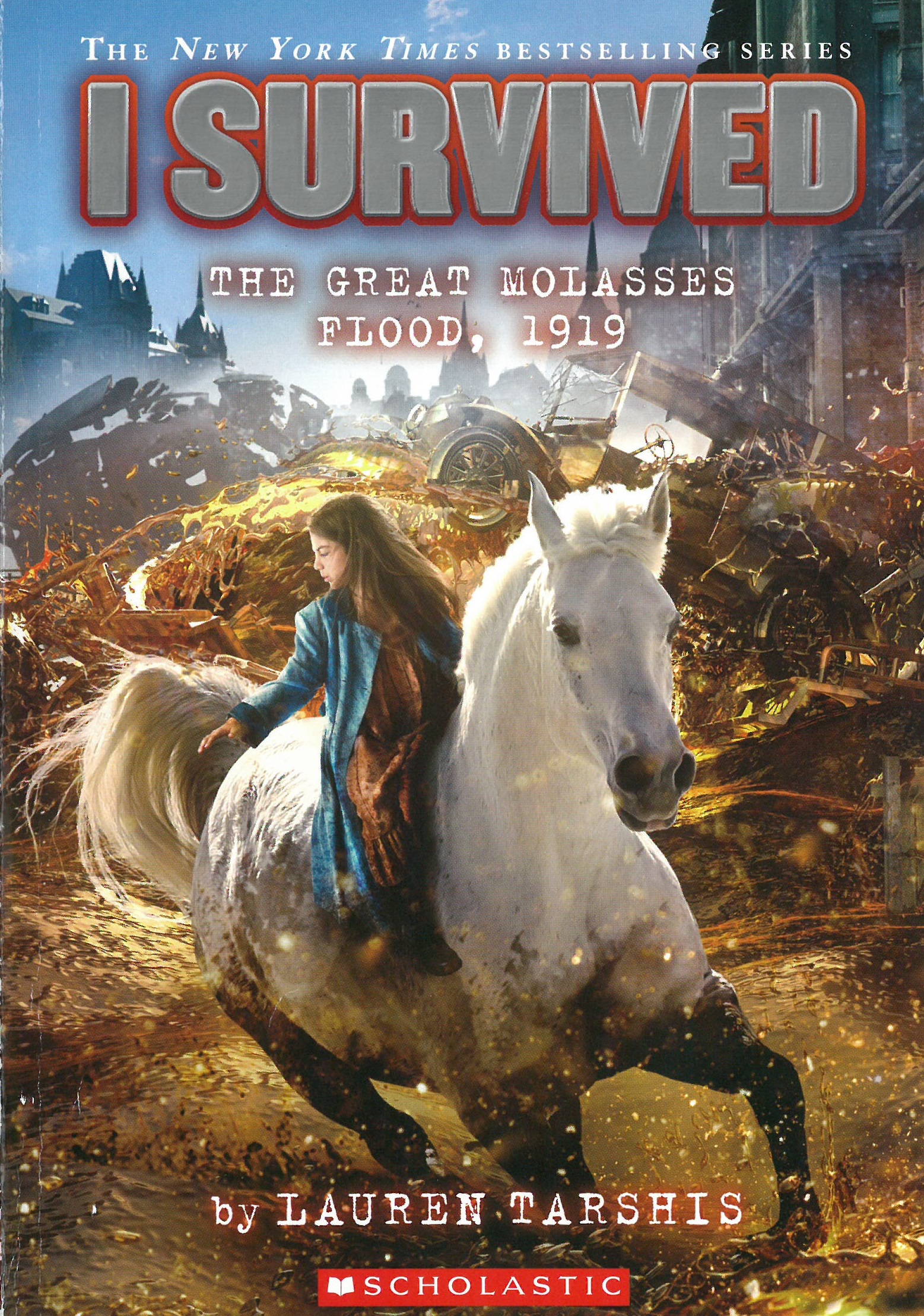
I Survived: The Great Molasses Flood, 1919
It sounds rather funny – a “flood” of molasses! But it was not funny for the people caught in it. In the year 1919 a massive tank holding molasses exploded in the city of Boston. A “tsunami” of molasses destroyed buildings and people in its path. Read this historical fiction story to understand what it was like to live through this awful disaster. 94 pages; paper; Scholastic.

Jim Elliot: One Great Purpose
Jim Elliot and his fellow missionaries were focused on taking the Gospel to the Auca Indians in Ecuador, no matter the cost! In the end, it cost their lives. Read this book to learn the back story of the man at the center of this well-known missionary tale. 189 pages; paperback.
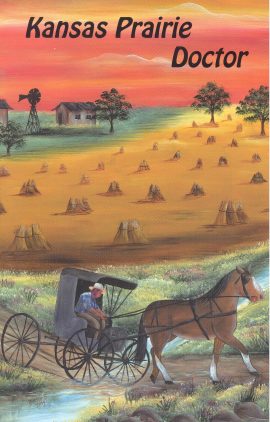
Kansas Prairie Doctor
Benuel M. Fisher. Get a glimpse of the primitive and exhausting life of a country doctor in the early 1900s. Doctor Benner faced the challenges of typhoid fever, lockjaw, broken bones, appendicitis, and many other ailments with little more than the instruments carried in his satchel. Read of his practice on the Kansas prairie near the town of Peabody. 184 pages; paperback.
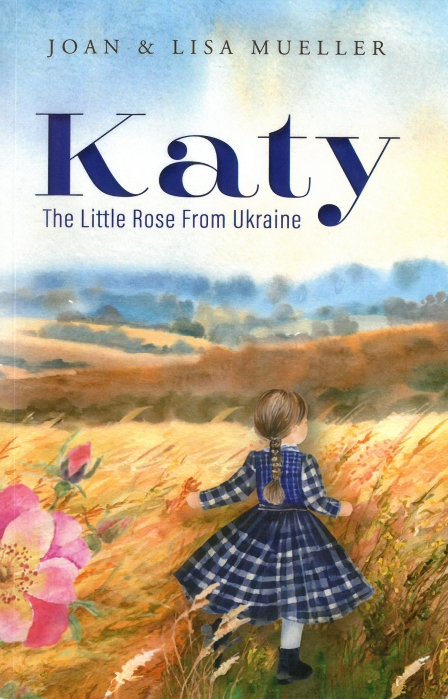
Katy – The Little Rose From Ukraine
One hundred fifty years ago, five-year-old Katy Mueller lived with her family in a small village in Ukraine, surrounded by uncles, aunts, and cousins. But the Russian government made sudden changes, taking away religious freedoms. This compelled these families to seek a new home in the Dakota Territory of the United States. This book tells that story, at a level school children can understand. 179 pages; paperback.
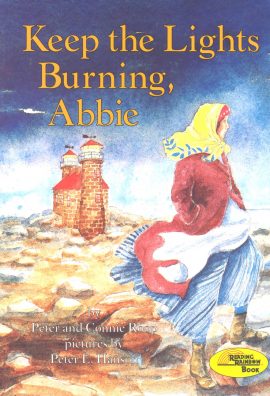
Keep the Lights Burning, Abbie
Teenager Abbie Burgess lives on Matinicus Rock with her family. Her father, Captain Burgess, is the lighthouse keeper on this small island miles out from the mainland. In January 1856, Captain Burgess sails to the mainland for supplies. Abbie has helped care for the lights, but now she must do it all by herself. A storm blows in and prevents Captain Burgess from returning. For four long weeks, Abbie and her sisters care for their invalid mother, and Abbie stays true to her commitment and keeps the lights burning. 40 pages; paperback.
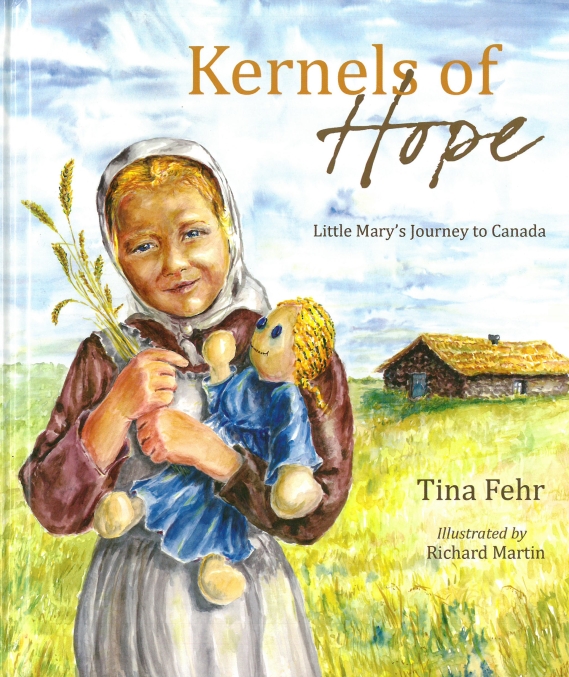
Kernels of Hope: Little Mary’s Journey to Canada
“How will I take the wheat along with us?” Papa wondered. Susannah worried about how to take her doll. This book tells the story of the Mennonnite migration from Russia to Canada in the 1880s. Join Susannah and her family as they travel to a new land and start over in a new home. 34 pages; hardcover.
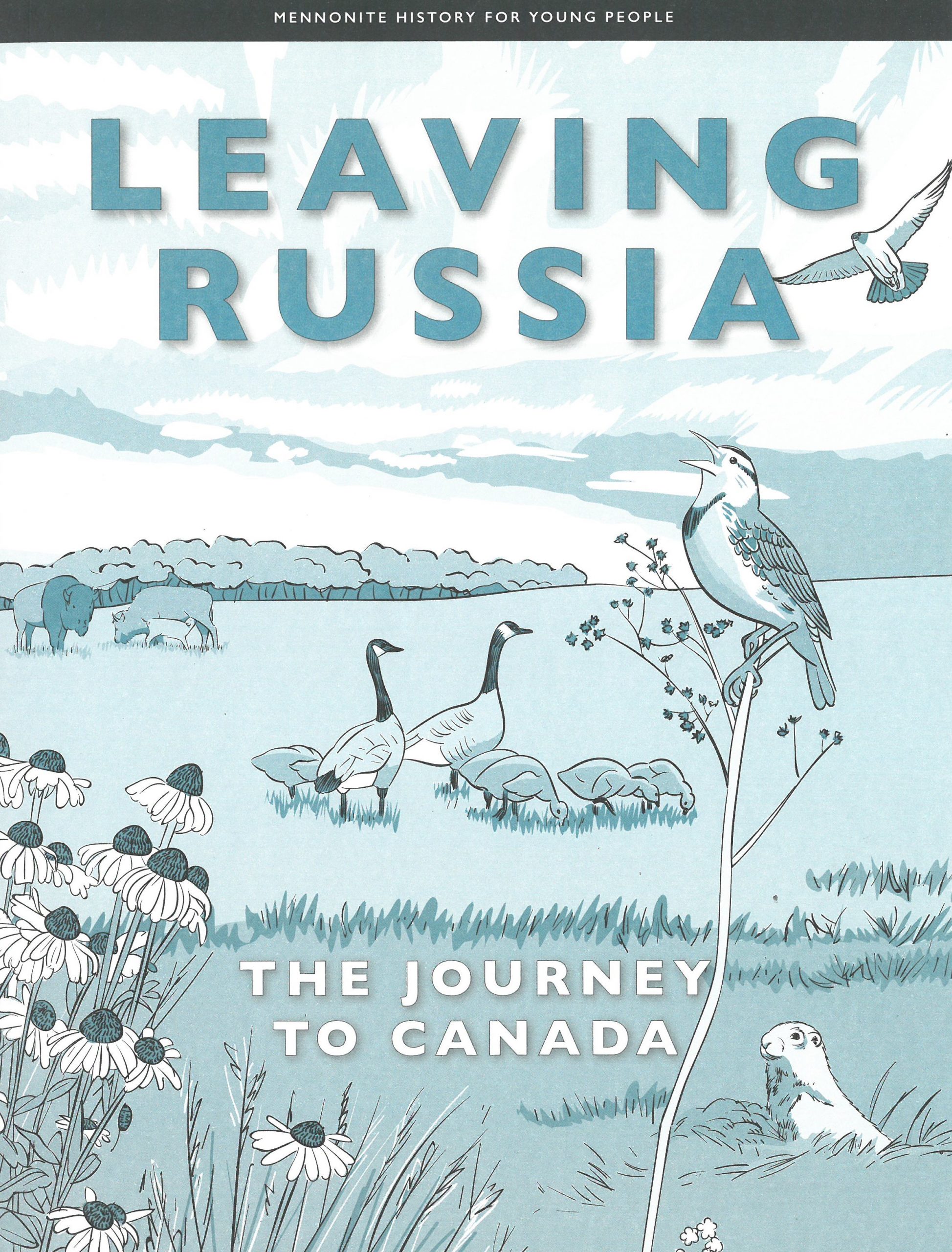
Leaving Russia: The Journey to Canada
In the 1870s, a group of Mennonites arrive in Manitoba after a long journey. They had sailed over the Atlantic Ocean and along several rivers and then travelled across land by wagon train. The Mennonites are welcomed by the Canadian government because they were known to be great farmers. 80 pages; paperback.
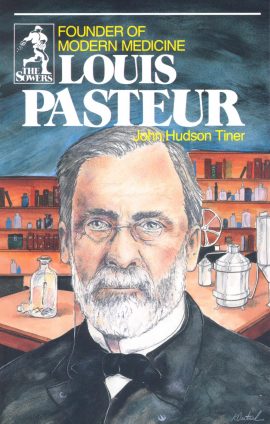
Louis Pasteur
Too often scientists build their theories upon wild speculation or unfounded assumptions. Many new ideas turn out to be dead ends. They neither advance science nor improve daily life. Can science really change the world? Yes, indeed. The scientific discoveries of Louis Pasteur, a Frenchman who lived in the 1800s, have made a difference. This book traces in exciting detail the events in the life of Louis Pasteur. Learn about his early life as the son of an obscure country tanner. Experience his years of struggle as an unknown scientist. Enjoy his triumph as one of the world’s most celebrated heroes. Paperback.
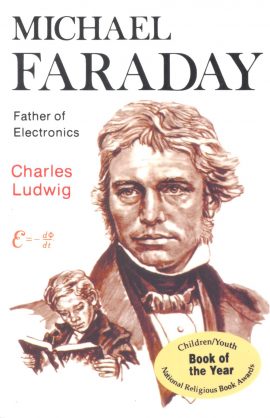
Michael Faraday, Father of Electronics
Charles Ludwig; middle/upper. Michael Faraday only attended school a year or two in his entire life. Faraday never learned to spell or punctuate, but he was the father of the electric motor, the transformer, and the generator. He discovered benzene, improved steel alloys, and was the first to turn chlorine into a liquid. Even England’s royal family attended his science lectures and sat spellbound as he explained his discoveries and experiments. 208 pages; paperback.
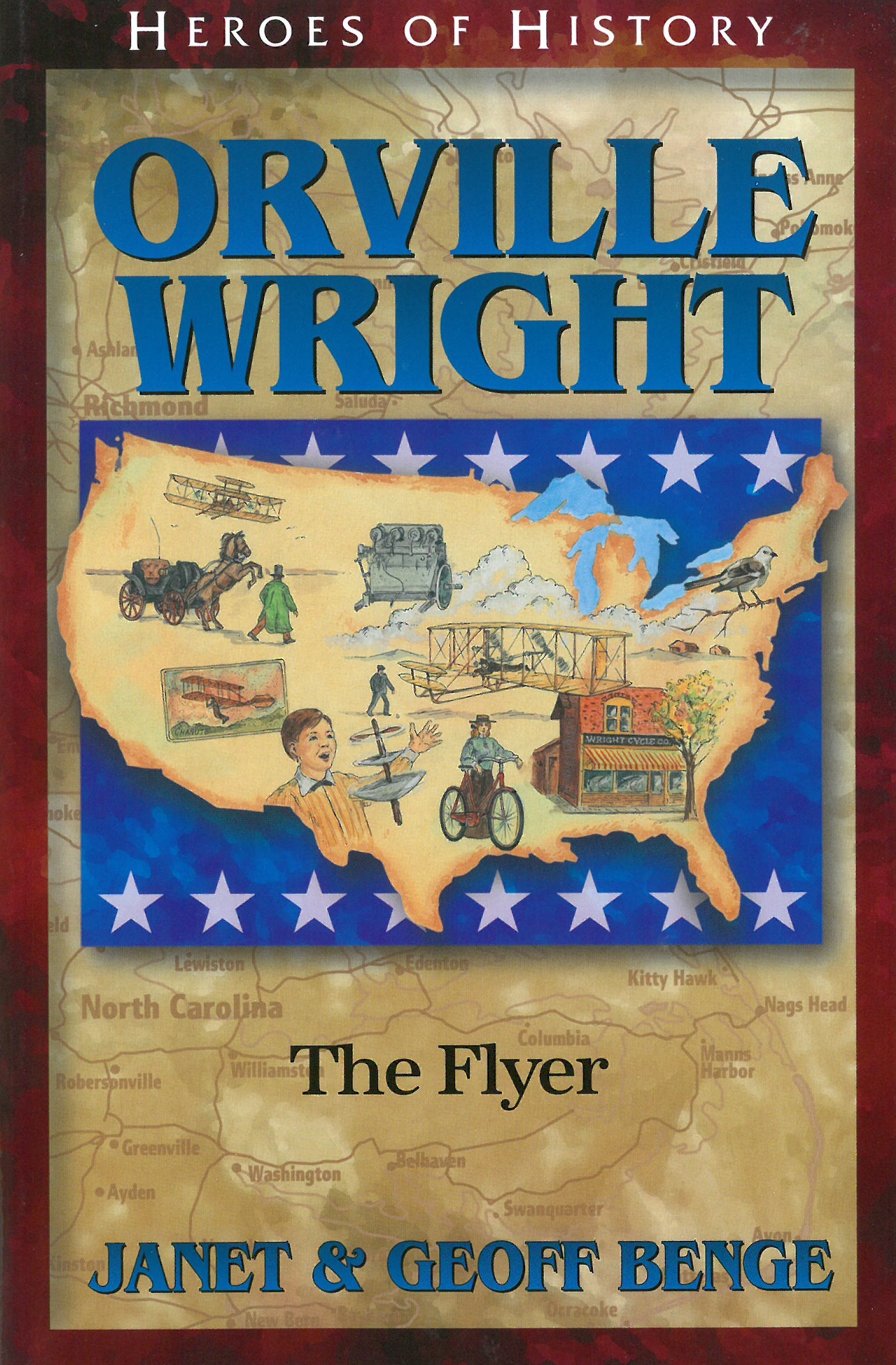
Orville Wright
This is the story of Orville Wright, who, together with his brother Wilbur, pursued the idea of powered flight. They operated with careful observation, perseverance, and ingenuity. By trial and error they worked through problems one by one until that exciting day in 1903 when they took to the air! 203 pages; paperback.
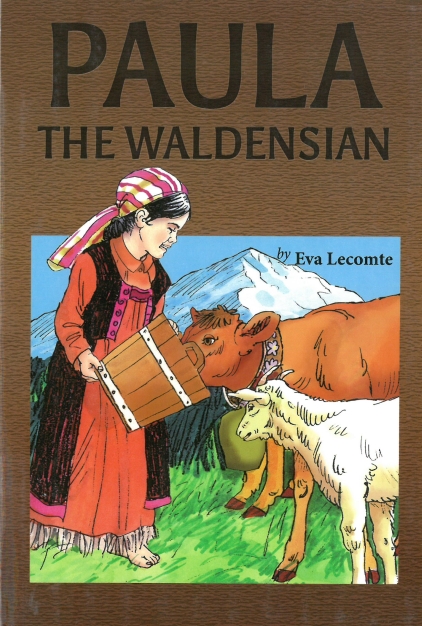
Paula the Waldensian
An interesting story of a family in Old France. Paula has been brought up to love the Lord Jesus and to read the Scriptures. Later, she is orphaned and moves into her cousins’ home where reading the Bible and religion is forbidden. Paula’s loving obedience, friendliness, and overflowing love for everyone she meets and wins the hearts of the family and others. 191 pages; paper.