Description
King James Version. Hardcover.

King James Version. Hardcover.
| Weight | 0.00000000 lbs |
|---|---|
| Dimensions | 0.00000000 × 0.00000000 × 0.00000000 in |
| Level | |
| Publisher |
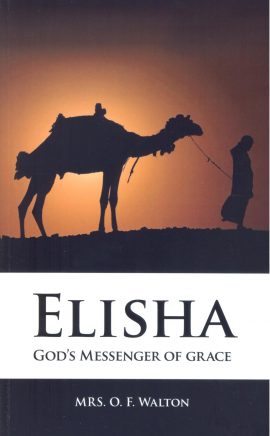
Mrs. O. F. Walton. This inspirational book traces the biblical account of Elisha, the prophet that God used mightily to show His grace and power to disobedient Israel. It is written in a style that puts you right in the room with Elisha and with an intimate knowledge of the region and culture. Many parallels are drawn between the life of Elisha and the work of Jesus Christ, and lessons are applied to our day. Worthwhile and easy to read. 190 pages; paper.
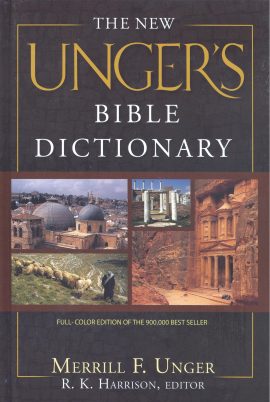
A newly revised edition of one of the most complete, comprehensive, and up-to-date Bible dictionaries available today. Scholarly, with current articles on archaeology, geography, chronology, and other areas of biblical information. Includes color pictures. 1408 pages; hardcover.
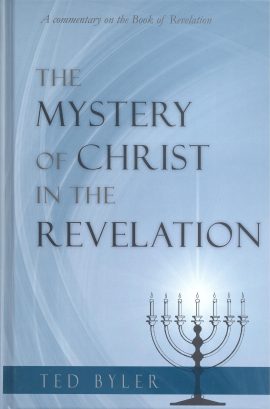
A thorough examination of the Book of Revelation that uses the scriptures to interpret the book. This is a lengthy work, but it attempts to explain the meaning of the symbols and the important lessons that are to be found in the Book of Revelation. Though we might differ in our opinions on some of the details, we believe the interpretation in general is in agreement with our belief and the historic Anabaptist view of the Revelation. 616 pages; hardcover.
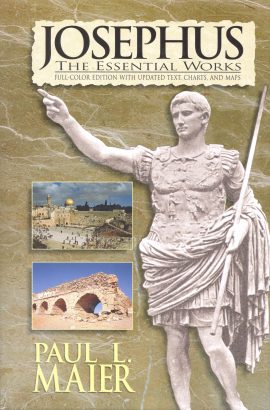
Translated and edited by Paul L. Maier. This volume contains the same text as Josephus: the Essential Writings, but is bound in hardcover and has quality paper, color photos, time lines, and other information in sidebars that makes the volume more readable and appealing. 416 pages; hardcover.
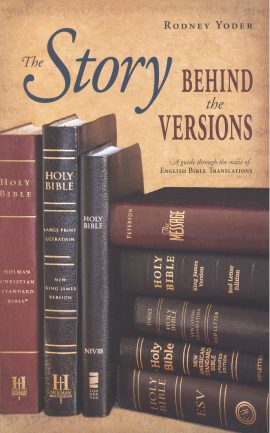
This book tells how the Scriptures have been preserved and lays out the principles and philosophy of translation. Then, it explores the history and trustworthiness of modern versions and gives guidance for making wise decisions about Bible translations. 203 pages; paperback.