Description
An exposition of Revelation 20. 33 pages; paper.

An exposition of Revelation 20. 33 pages; paper.
| Weight | 0.00000000 lbs |
|---|---|
| Dimensions | 0.00000000 × 0.00000000 × 0.00000000 in |
| Author | |
| Level | |
| Publisher |
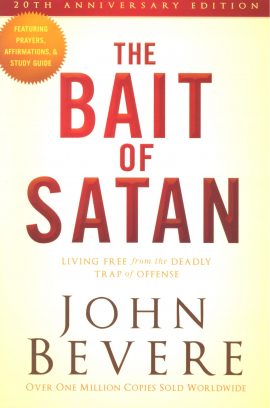
This book takes a deeper look at one of the most deceptive snares Satan uses to get believers out of the will of God-offense. You will get ideas on how to stop being suspicious of others, how to regain trust after someone deeply offends you, what to do in order to stop rehearsing past hurts, and much more. 225 pages; paper.
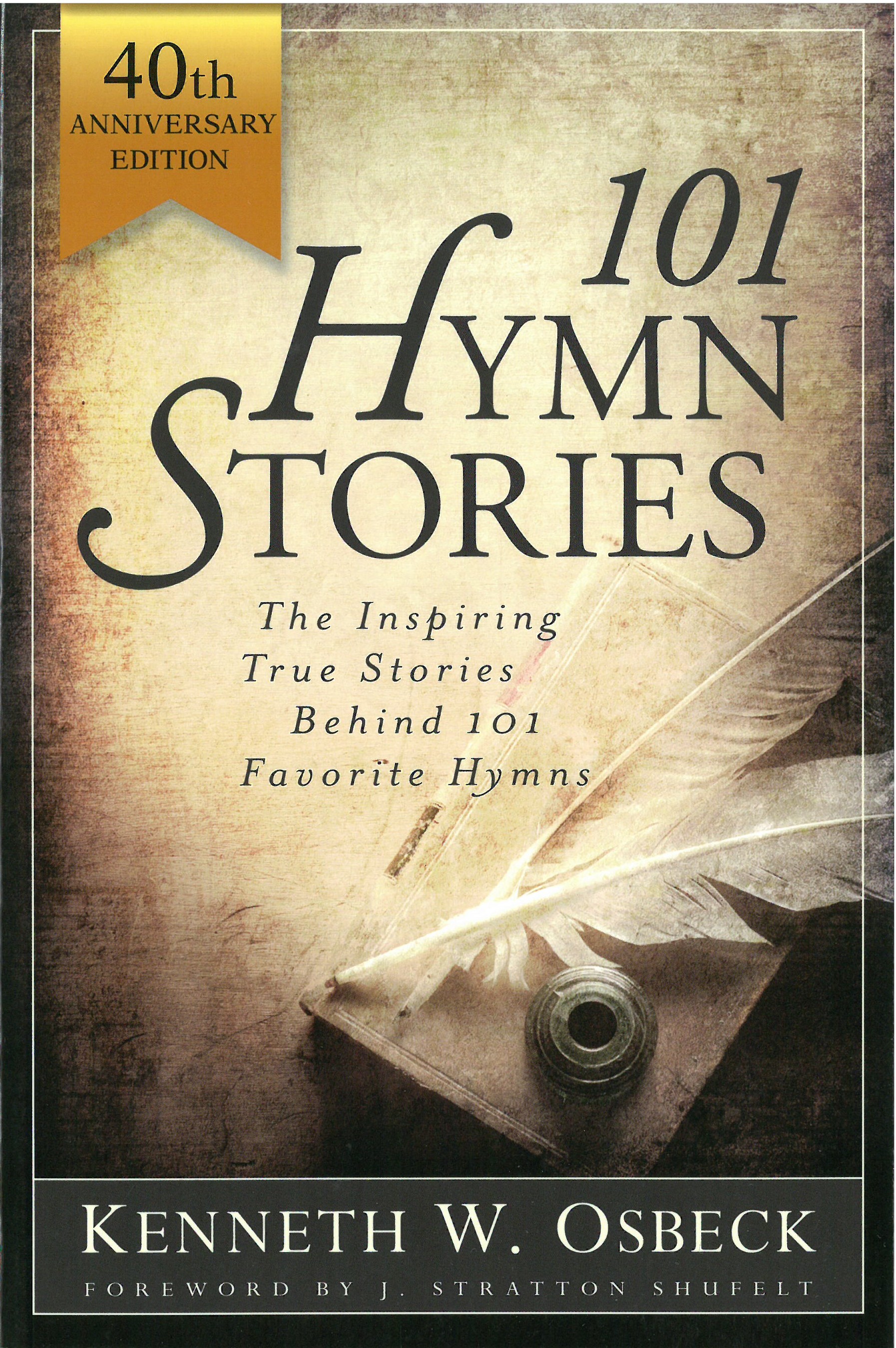
The songs of Isaac Watts, Charles Wesley, Fanny Crosby, John Newton, and other hymn writers have been used to challenge the unbeliever, edify the saint, and fan revival fires. Knowing who wrote the words and music and what occasion prompted the writings makes these beautiful hymns even more inspiring. This book contains true and touching background stories of 101 hymns. 283 pages; paper.
A writing originally published in the Botschafter der Wahrheit in 1900 and later translated into English. It tells how the Mennonites fared in Holland after persecution ceased and about the decline of spirituality in Holland, Prussia, and Russia, and expresses Peter Toews’ convictions about a body of believers who are united in faith and manner of living. 48 pages; paper.
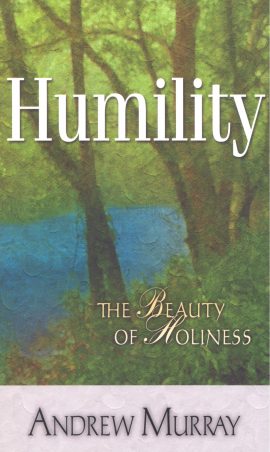
Humility is a sense of our entire nothingness which comes when we see that God is all, and we make way for God to be all. When man consents to be the form and vessel in which the life and glory of God manifest themselves, he will see that humility is simply acknowledging his position as man and yielding to God His place. 110 pages; paper.
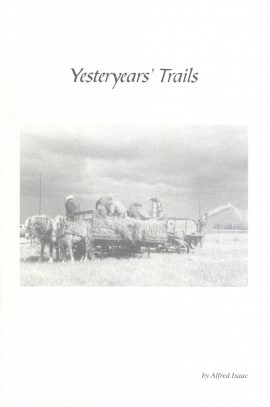
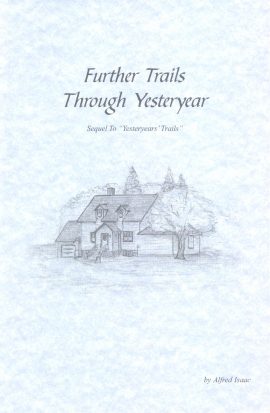
An autobiographical account of Alfred’s adventures while growing up on a southeastern Manitoba farm. The book depicts life from early childhood, through boyhood, school years, and on to his conversion as a young adult. The last twenty pages describe a trip made by the author and his wife to visit their children on the mission. 125 pages; paper.