Description
An interesting story of the life of Henry Ford and his invention of the horseless carriage.

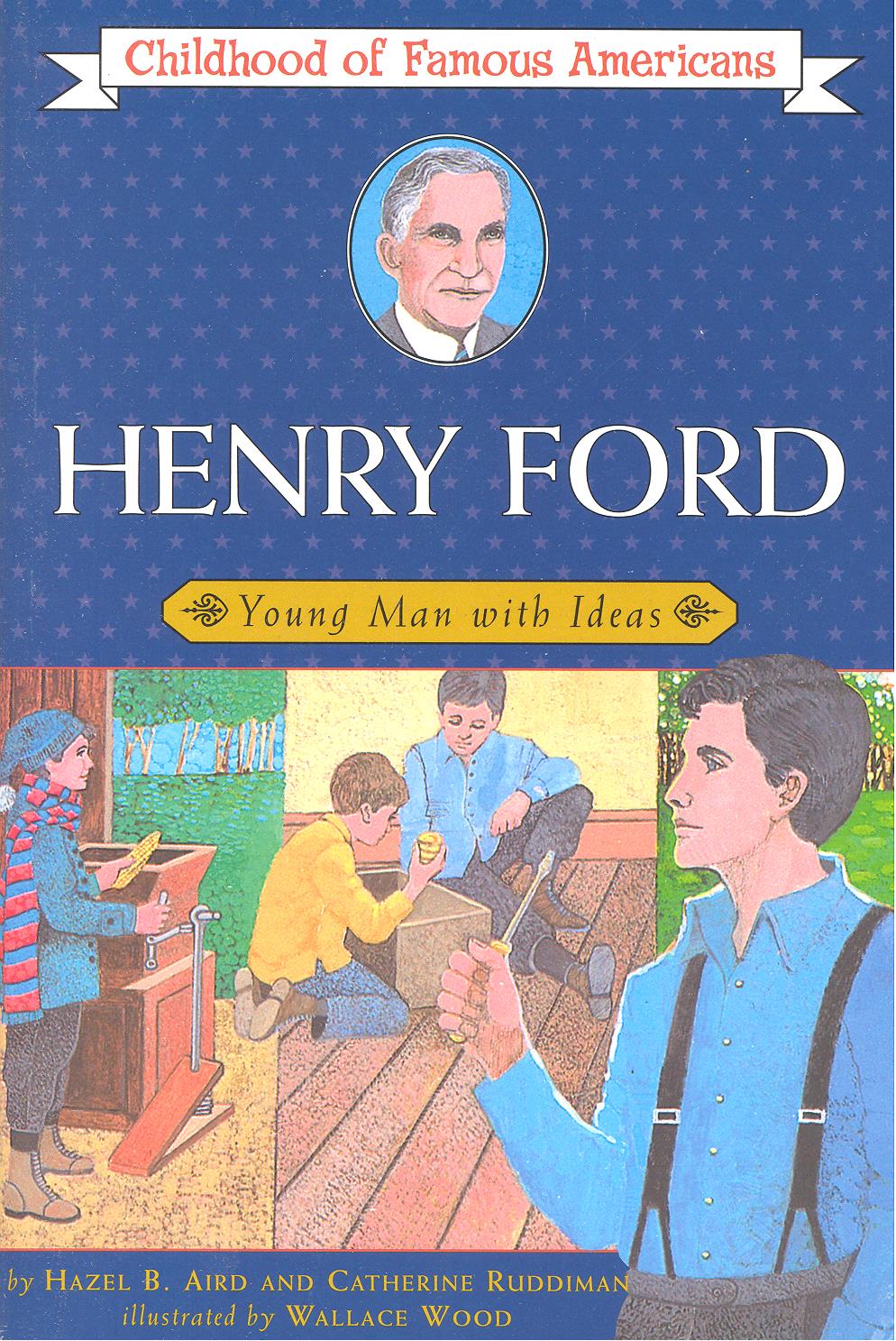
An interesting story of the life of Henry Ford and his invention of the horseless carriage.
| Author | |
|---|---|
| Interest | |
| Level | |
| Publisher |
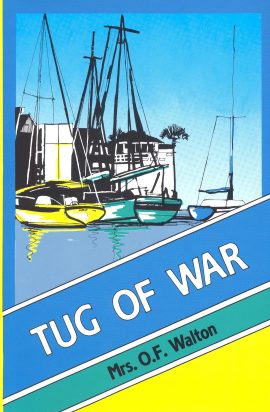
A young artist goes to the fishing village of Runswick Bay in Yorkshire, England, to get away from the pressures of the city and to paint. As he boards in a fisherman’s home, their simple faith prompts him to consider his life. Making the right friends and listening to the simple messages of a fisherman cause him to realize that a tremendous tug of war is taking place for control of his soul and life. 112 pages; paper.
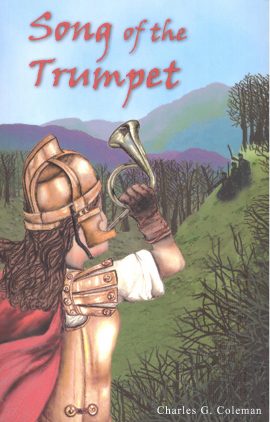
A sequel to The Shining Sword. This is an allegory of how God calls a soul to be one of His soldiers and how the evil forces try to stop obedience to that call. The main character, Akara, finds that the battle is not so fierce as it is subtle. When she is captured by the evil forces, young soldiers of the King brave much danger to rescue her. Akara answers the call of the King and finds that now her trumpet makes beautiful music. 213 pages; paperback.
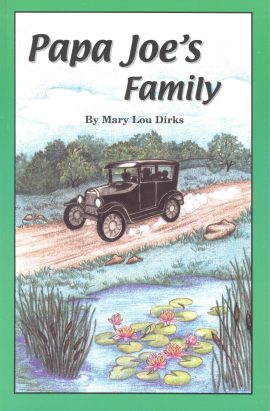
Join the Joe Schmidt family on a Missouri farmstead as you read about the flood of 1951 and the abundance of fresh fish afterward, butchering day, the country school, and the changes electricity brought. Appreciate the values Papa and Mother imparted to their family. 116 pages; paper.